Self Care is Healthcare

When we think about healthcare, our minds automatically go to hospitals, doctor visits, and taking medication, but what if I told you that self-care is healthcare?
Self-care practices can help protect the mind and body before problems become more harmful to your overall well-being. Self-care is not just about pampering yourself or taking breaks when it is convenient. True self-care means noticing your needs, making healthy choices, and building habits that support your well-being over time. When people practice self-care, they are often better able to handle stress, stay balanced, and respond to everyday challenges in healthier ways.
One of the biggest benefits of self-care is that it supports both physical and mental health. Simple habits such as exercising, eating nutritious foods, getting enough rest, and practicing mindfulness can help improve mood, boost energy, and lower stress. Self-care practices also build self-awareness, helping people understand who they are within and loving themselves from the inside out.
Here are 5 self-care tips that can improve someone’s life:
1. Prioritize Quality Sleep
Sleep is one of the most important forms of self-care. Getting about 8–10 hours of sleep each night allows the body and mind to recover, recharge, and function properly. Good sleep improves focus, mood, memory, and energy levels, helping you handle daily responsibilities and stress more effectively.
2. Fuel Your Body with Healthy Foods and Drinks
Eating balanced meals with fruits, vegetables, protein, and whole grains gives your body the nutrients it needs to stay energized and healthy. Starting your morning with something calming like tea or another warm drink can also help you wake up gently, stay hydrated, and begin the day feeling relaxed and focused.
3. Move Your Body Regularly
Physical activity is a powerful way to improve both mental and physical health. Exercise helps release endorphins that boost mood, reduce stress, and increase energy. Even simple activities like stretching, walking, or playing a sport can make a big difference in overall well-being.
4. Spend Time Outside Every Day
Getting fresh air and sunlight can improve mood, lower stress, and help regulate sleep. Try to go outside at least once a day, even if it’s just for a short walk or a few minutes of fresh air. Nature and sunlight can have a calming effect and help reset your mind.
5. Take a Few Minutes of Quiet Time
Sitting in silence for at least five minutes a day can help calm the mind and reduce stress. Quiet time allows your brain to slow down and reflect. Studies show that moments of silence can lower cortisol levels, which helps reduce feelings of anxiety and tension.
It is important to remember that self-care looks different for everyone. What helps one person feel relaxed, balanced, or energized may not work the same way for someone else. Because of this, we should always explore different self-care practices and find the ones that best fit your lifestyle, needs, and personal goals.
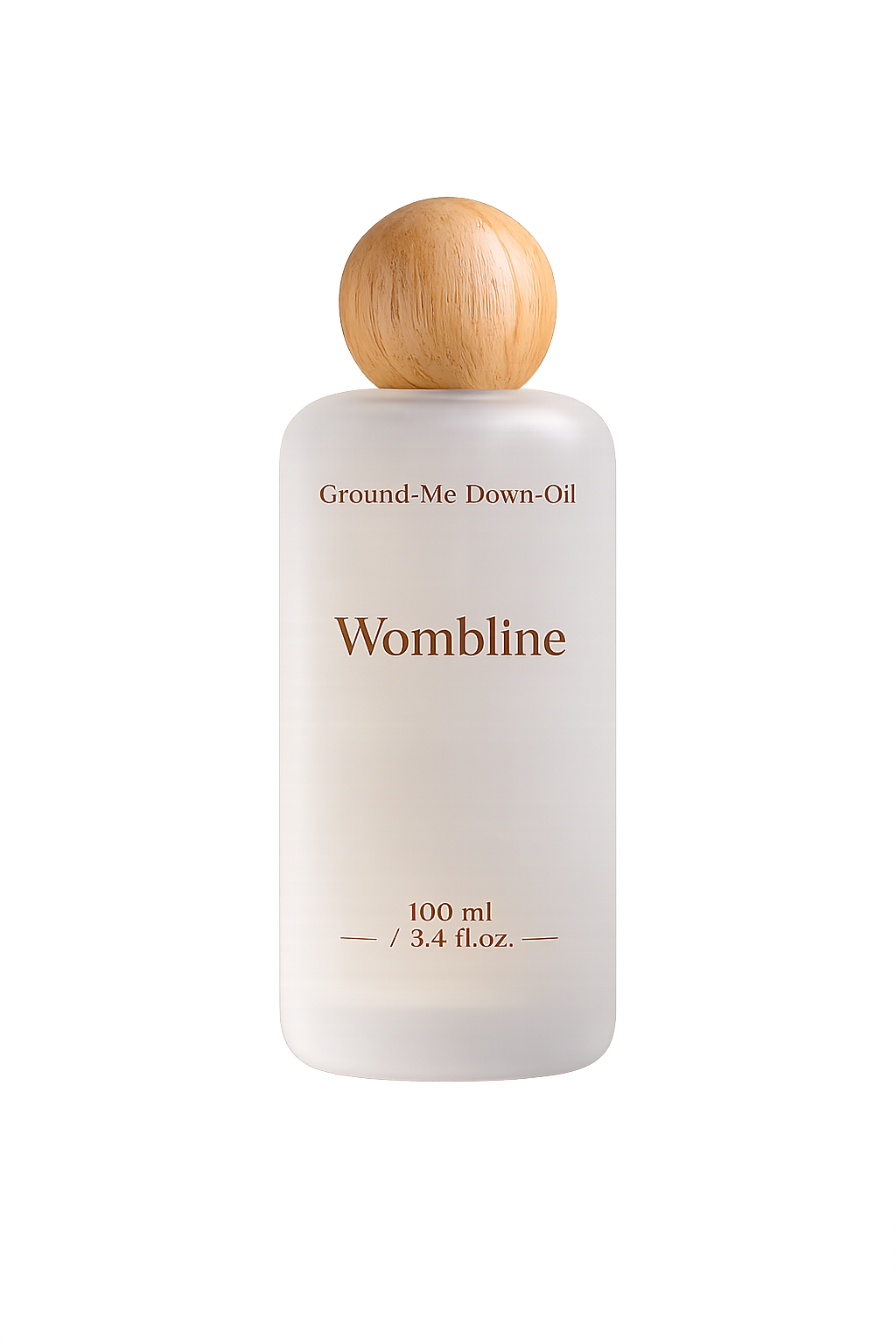
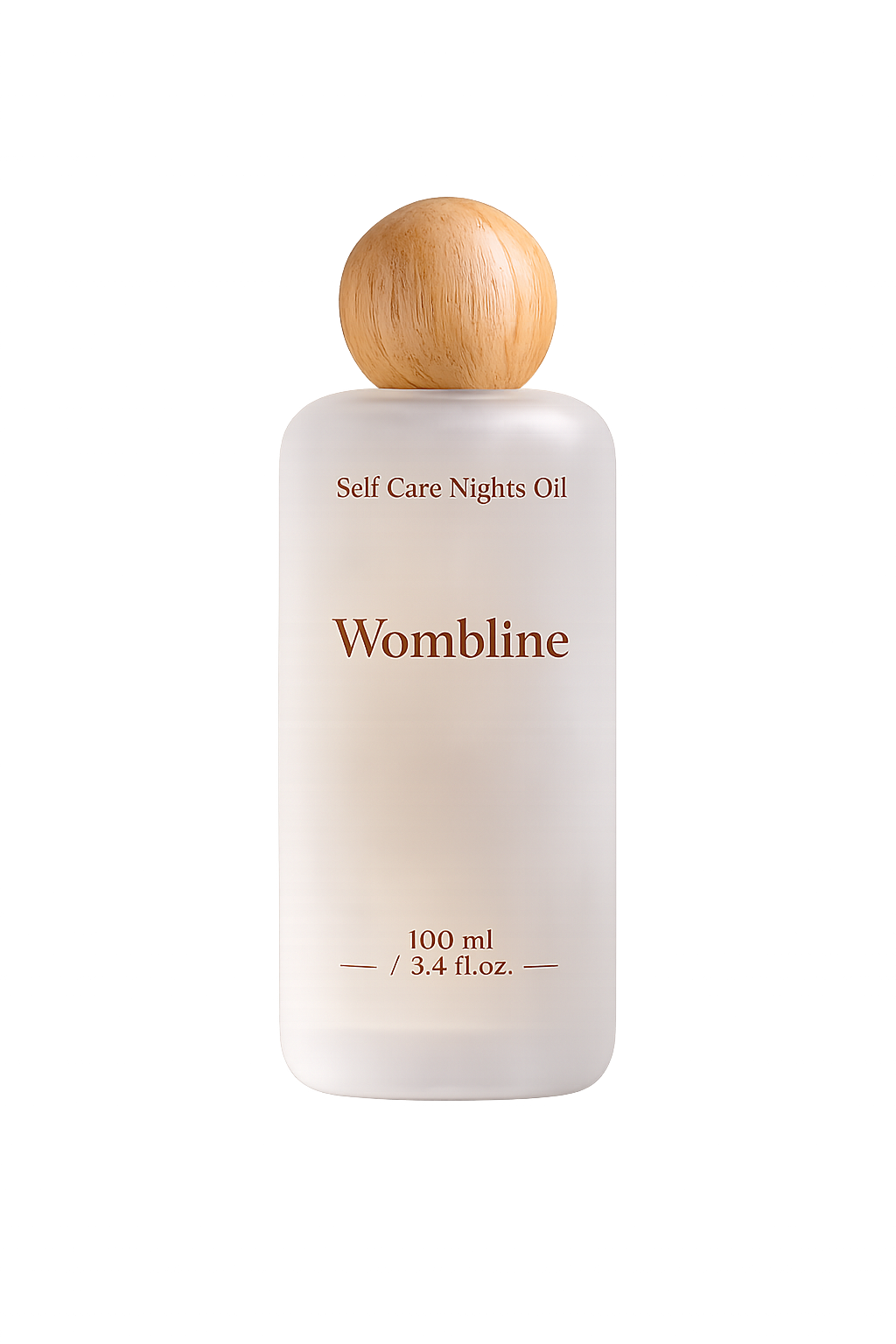
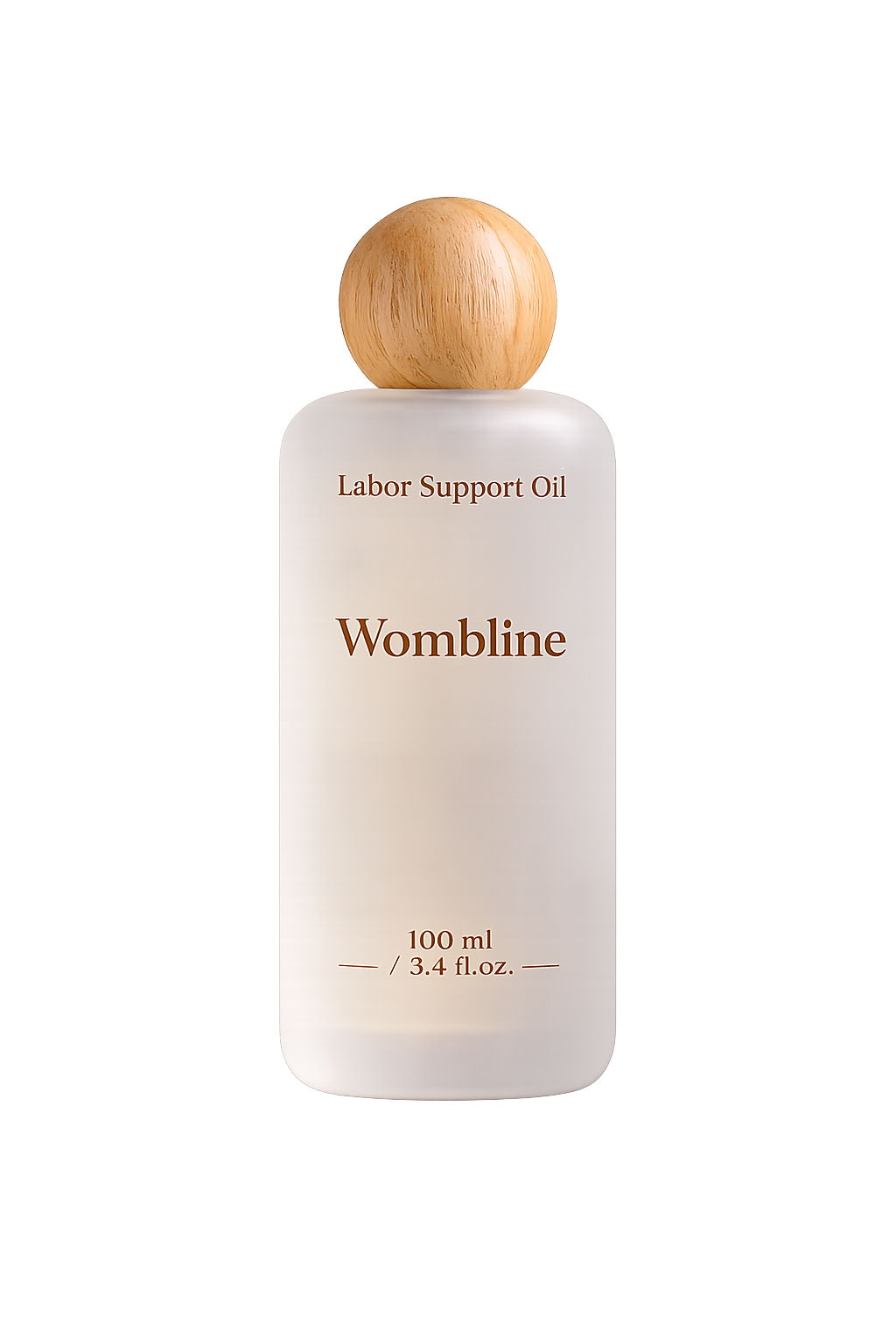

Balance Me was created for the moments you need to come back to yourself — especially during hormonal shifts, PMS, your cycle, or the days when your mood needs extra care. Designed for topical ritual use and aromatherapy, this blend supports balance, softness, and care through the many phases women move through.
✓ Calms Nervous System ✓ Soothes Emotional Stress ✓ Reduces Menstrual Cramps
Directions
Massage a desired amount onto clean, dry skin as needed. Can also be used as a bath oil. For external use only.
Warning
For external use only. Avoid contact with the eyes. Discontinue use if irritation occurs. Not intended for use during pregnancy. Keep out of reach of children.
Perform a patch test before use.
Ingredients
Oenothera biennis ( Primrose oil),Salvia Sclarea (Clary Sage) Oil, Lavandula Angustifolia (Lavender) Oil, Mentha Piperita (Peppermint) Oil, Citrus Aurantium (Bergamont) Oil, Rosa Damascena (Rose) Flower Oil, Anthemis Nobilis (Chamomile) Flower Oil, Pelargonium Graveolens (Geranium) Oil.
Learn more about our ingredients below…
End
Please Note: Wombline products are not intended to diagnose, treat, cure, or prevent any medical condition. For pregnancy, postpartum, or medical concerns, please consult your healthcare provider.