Cultural Differences in Women's Health + Wellness

As women, we share many similarities because the world often sees us through the same lens. Yet the beauty of being a woman is that we are expressed in so many different ways.
Our identities are shaped by our cultures, our environments, and our personal journeys of discovering who we are. While many of us are still learning about ourselves and striving to become the best versions of who we can be, there is so much wisdom to learn from women around the world.
Many cultures have long-standing rituals and traditions centered on women’s health, balance, and well-being. While this doesn’t capture every culture, I want to share a few practices I’ve learned about and invite you to carry this knowledge with you as you continue your own journey toward wellness and self-discovery.
Women’s wellness ritual in America
In the United States, wellness practices often focus on self-care routines that support both mental and physical health. Many women incorporate exercise, journaling, therapy, mindfulness,
and balanced nutrition into their daily lives. There has also been a growing movement around holistic health, including practices like yoga, meditation, herbal teas, and intentional rest. The goal of many American wellness rituals is to create balance between busy lifestyles and personal well-being.
Women’s wellness ritual in Africa
Across many African cultures, women’s wellness is deeply connected to community, nature, and traditional knowledge passed down through generations. Herbal remedies, natural oils, and plant-based medicines are often used to support women’s health. In some cultures, elder women guide younger women through different life stages, offering wisdom about fertility, motherhood, and healing. Community gatherings, storytelling, and shared caregiving also play an important role in emotional and spiritual well-being.
Women’s wellness ritual in Korea
In Korean culture, wellness practices often emphasize nourishment, rest, and skincare as forms of self-care. Traditional Korean health practices encourage eating nutrient-rich foods such as soups and fermented dishes that support overall health. After childbirth, women traditionally follow a recovery period called “sanhujori,” where rest, warm foods, and support from family help the body heal. Korean beauty and skincare rituals are also viewed as a way to care for both physical appearance and self-confidence.
Women’s wellness ritual in India
In India, many women’s wellness practices are rooted in Ayurveda, a traditional system of medicine that focuses on balance within the body. Daily rituals may include drinking warm herbal drinks, practicing yoga or meditation, oil massages, and eating foods that support digestion and hormonal balance. Ayurveda encourages women to listen closely to their bodies and create routines that align with natural rhythms, helping to support long-term health and emotional balance.
Women’s wellness ritual in Middle Eastern culture
In many Middle Eastern cultures, women’s wellness rituals often center around cleansing, relaxation, and community. Traditional practices such as visiting the hammam (a communal steam bath) provide both physical and emotional renewal. Natural oils, rose water, herbs, and aromatic practices are also commonly used for skincare and relaxation. These rituals are often shared among women, creating space for connection, conversation, and support.
Across cultures, one thing remains clear: women have always created ways to care for themselves and each other. Whether through herbs, movement, rest, or community, these traditions remind us that wellness is not a trend—it is a practice that has been nurtured for generations. By learning from these traditions, we can continue building our own rituals that help us feel balanced, supported, and empowered as we grow into the best versions of ourselves.
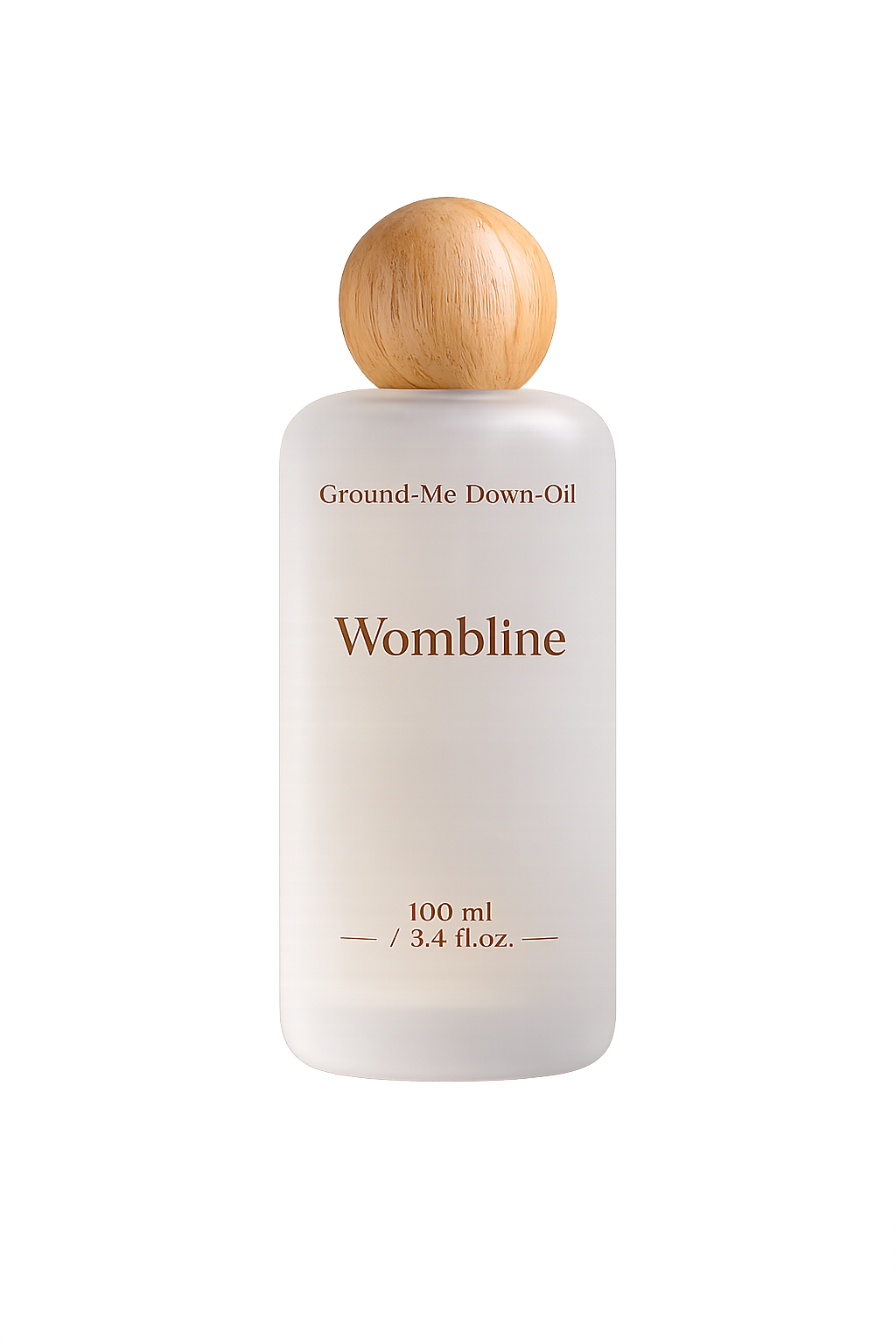
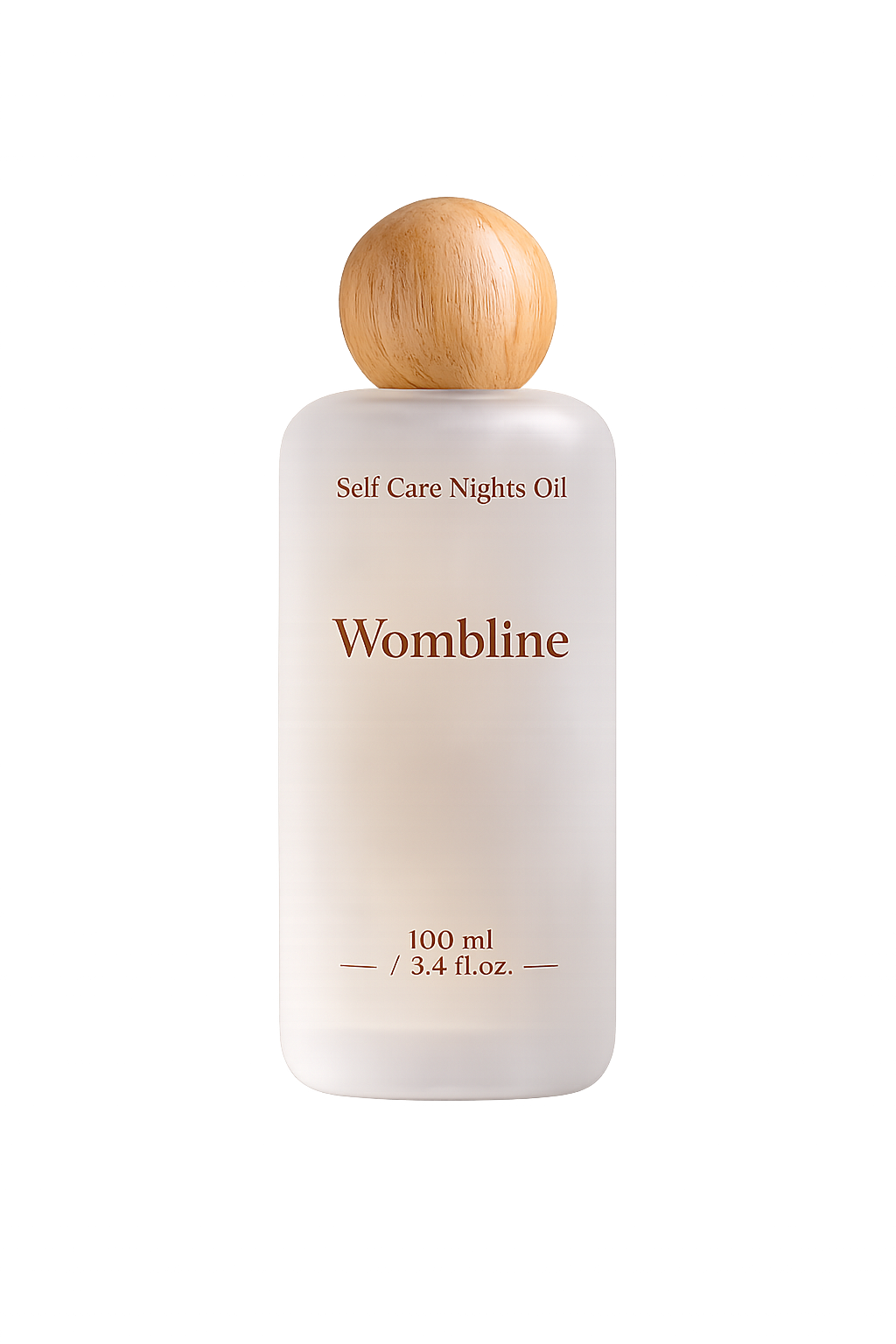
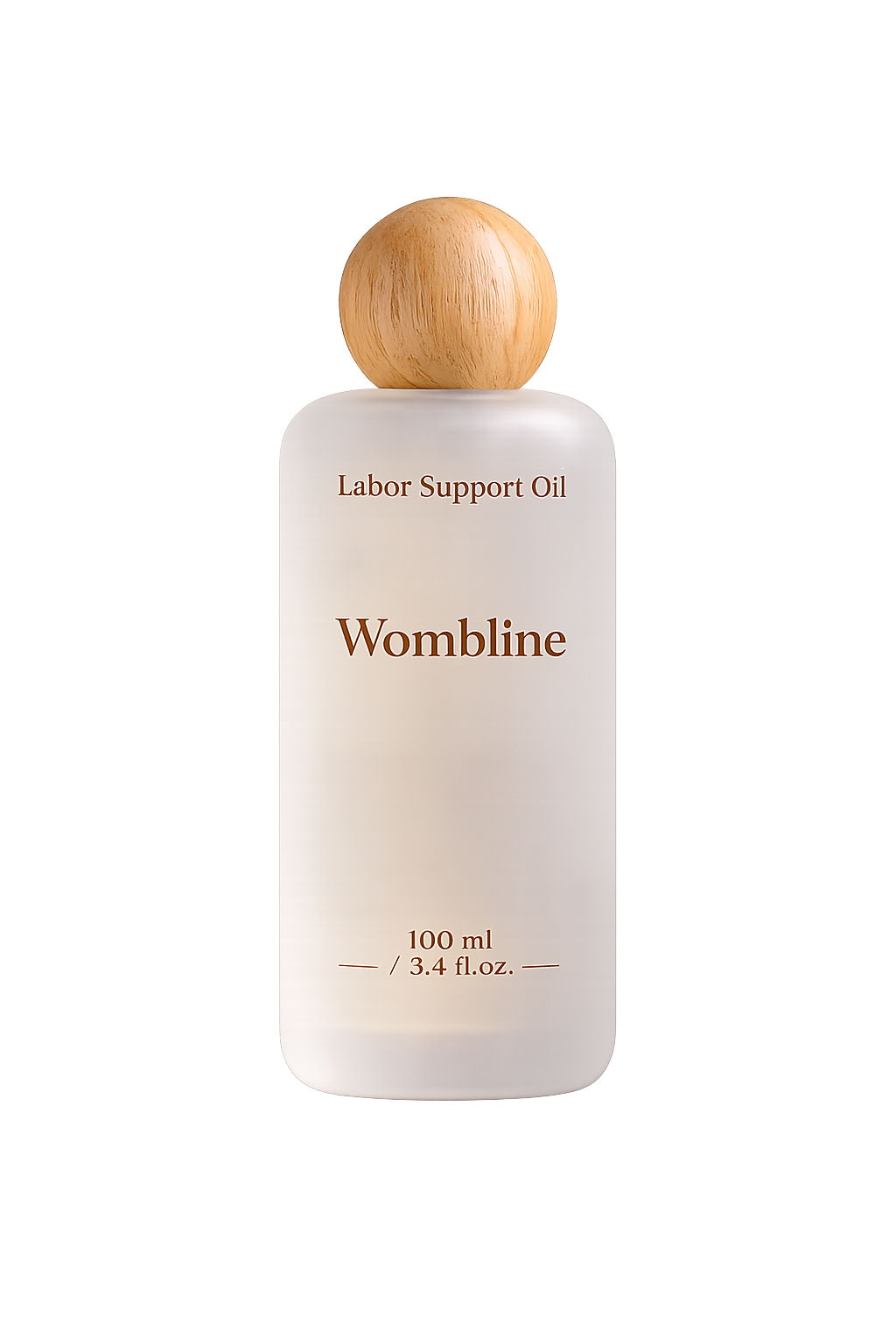

Balance Me was created for the moments you need to come back to yourself — especially during hormonal shifts, PMS, your cycle, or the days when your mood needs extra care. Designed for topical ritual use and aromatherapy, this blend supports balance, softness, and care through the many phases women move through.
✓ Calms Nervous System ✓ Soothes Emotional Stress ✓ Reduces Menstrual Cramps
Directions
Massage a desired amount onto clean, dry skin as needed. Can also be used as a bath oil. For external use only.
Warning
For external use only. Avoid contact with the eyes. Discontinue use if irritation occurs. Not intended for use during pregnancy. Keep out of reach of children.
Perform a patch test before use.
Ingredients
Oenothera biennis ( Primrose oil),Salvia Sclarea (Clary Sage) Oil, Lavandula Angustifolia (Lavender) Oil, Mentha Piperita (Peppermint) Oil, Citrus Aurantium (Bergamont) Oil, Rosa Damascena (Rose) Flower Oil, Anthemis Nobilis (Chamomile) Flower Oil, Pelargonium Graveolens (Geranium) Oil.
Learn more about our ingredients below…
End
Please Note: Wombline products are not intended to diagnose, treat, cure, or prevent any medical condition. For pregnancy, postpartum, or medical concerns, please consult your healthcare provider.